Ayela: A Handwritten Font for Web Design
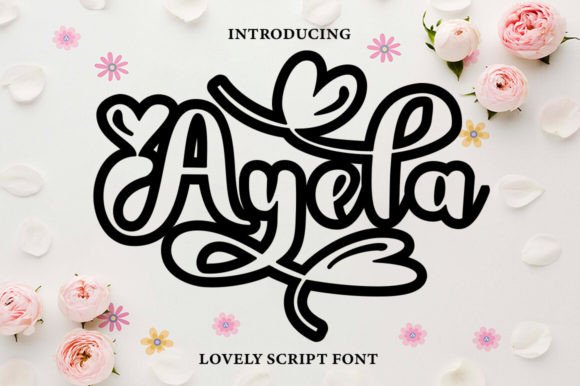
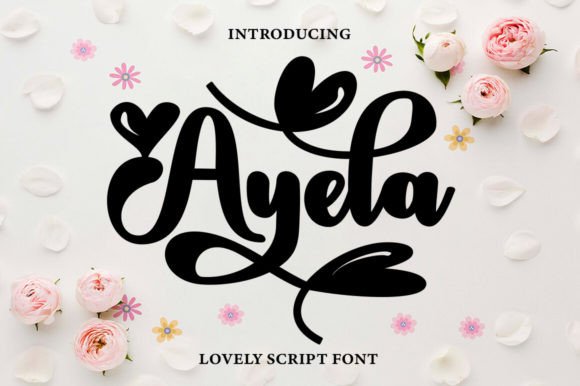
When I was redesigning a boutique online store, I needed a font that felt personal and approachable. Ayela, a cute, versatile, and flexible handwritten font, caught my eye. It’s warm, romantic, and jovial, making it perfect for turning project ideas into visual art. As a web designer, I always look for fonts that enhance the user experience while supporting the brand's personality.
Testing Ayela in a Real Website Project
I started by testing Ayela in the hero section of the site. The font’s fluid strokes and natural flow gave the page a friendly, inviting feel. It worked well with the soft pastel background, adding a touch of elegance without overwhelming the design. I also tried it over an image banner, where its curves complemented the organic shapes in the photo, creating a cohesive visual language.
One of the first things I noticed was how Ayela handled different screen sizes. On mobile devices, the font remained legible and didn’t lose its character. That’s crucial for a responsive layout, where readability can make or break the user experience. I made sure to test it on small buttons and dark backgrounds, and it performed well in both scenarios.
Using Ayela in Digital Layouts
Ayela is ideal for website headers, hero sections, and call-to-action areas. Its playful yet professional tone makes it great for a creative portfolio or a coaching website. I used it for the main headline on a product landing page, where it drew attention without being too bold. It also worked well as a decorative accent in blog graphics and digital ads, adding a human touch to otherwise static content.
For a course sales page, I paired Ayela with a clean sans serif font for body copy. This combination created a balanced look—Ayela added personality to the headlines, while the sans serif ensured the text was easy to read. It’s a common practice in web design to pair a decorative display font with a simpler one for body text, and Ayela fits this role perfectly.
Readability and User Engagement
Readability is key when choosing a font for a website. Ayela’s open letterforms and consistent stroke width make it easy to scan, even at smaller sizes. I tested it on a campaign landing page, where users needed to quickly grasp the message. The font’s clarity helped maintain a smooth reading flow, which is essential for keeping visitors engaged.
Brand trust and professionalism are also influenced by typography. Ayela adds a sense of creativity and warmth, which can be beneficial for a small business website or a digital brand kit. However, it’s important to use it strategically. While it works well for headings and short phrases, it may not be the best choice for long paragraphs or dense text blocks.
Practical Tips for Using Ayela
When using Ayela, consider the context. It’s better suited for hero titles, section headings, and buttons than for body copy. For a boutique online store, I used it for product banners and logo text, where its charm stood out. It also worked well for social media graphics, where a handwritten touch can make content more relatable.
Before implementing Ayela on a website, check the available styles, weights, and alternates. PUA coding means you can access all the characters without needing special software, which is a big plus for designers. Also, make sure the font supports the languages your audience uses, especially if you’re targeting international markets.
Commercial licensing is another consideration. Ayela is part of the Script Amp collection, so I verified that the license allowed for use on websites and client projects. This is important for avoiding legal issues down the line, especially when working with multiple brands or platforms.
Font Pairing and Brand Identity
Pairing Ayela with other fonts can help create a strong brand identity. For a more editorial feel, I paired it with a serif font for a blog redesign. The contrast between the two added depth and sophistication. For a modern look, I combined it with a sans serif for a product landing page, resulting in a clean and professional appearance.
In a digital brand kit, Ayela served as the primary display font, while a simple sans serif handled the body text. This approach kept the design consistent across all assets, from website headers to email templates. It also helped reinforce the brand’s personality through typography.
Overall, Ayela is a valuable addition to any designer’s toolkit. Its versatility and charm make it suitable for a wide range of web projects, from creative portfolios to online stores. Whether you're building a new website or refining an existing one, Ayela can help elevate your digital presence with its unique style and usability.